







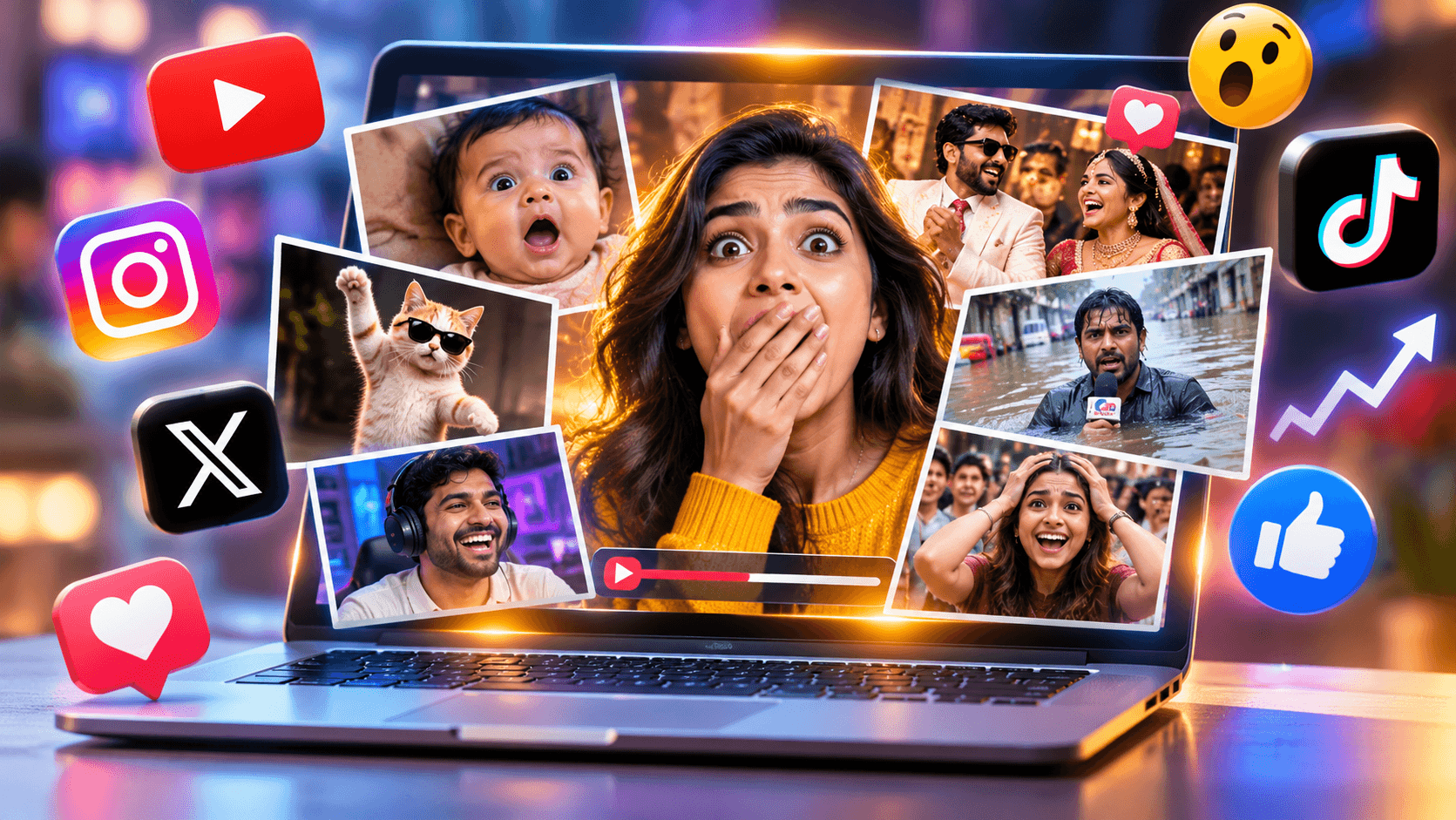
TL;DR: Off-the-cuff online moments regularly pull in bigger crowds than ad campaigns worth millions. Why? People smell raw honesty, and feeds feed on that spark.
By dissecting the Most Unexpected Moments That Became Internet Sensations, brands can build quick-reaction habits that catch light without looking forced. But unless your site can take a sudden hit of traffic, that quick flash of fame will vanish just as fast as it showed up.
Key takeaways
- Unplanned viral spikes hinge on raw reactions, weird timing, and feelings that hit home for all kinds of viewers.
- Feed algorithms on apps like TikTok, YouTube Shorts, and Instagram Reels care about watch time and rapid shares, not how many fans you already have.
- Spinning five minutes of web fame into lasting success takes quick server setup, clear messaging, and smart follow-up clips.
- Studying old internet accidents gives marketers a blueprint to jump on breaking trends without seeming fake.
- Setting up responsive pages keeps unexpected waves of web guests buying stuff instead of looking at broken screen errors.
Table of contents
- Understanding the Most Unexpected Moments That Became Internet Sensations
- The Anatomy of Accidental Virality: Psychological and Algorithmic Drivers
- Analysis of the Most Unexpected Moments That Became Internet Sensations
- How Recommendation Engines Amplify Unscripted Content
- Strategic Framework: Converting Spontaneous Attention Into Digital Value
- Viral Response Readiness Checklist
- AI Search Prompts for Analyzing Viral Trends
- Frequently asked questions
- Capturing Spontaneous Digital Opportunities
Understanding the Most Unexpected Moments That Became Internet Sensations
An unexpected internet phenomenon happens when an unscripted, everyday, or accidental piece of media catches fire across social feeds. These clips throw traditional marketing rules out the window. They work because they feature real people, lucky timing, and instant crowd remixing, not big budgets or slick PR teams.
Web culture runs on surprise. While ad agencies spend whole quarters planning campaigns, some of the biggest media waves start with zero planning. Looking closely at the wild accidents that captured the web reveals how fast human behavior shifts when real-life, raw moments pop up on screen.
Cultural Impact of Accidental Digital Fame
Accidental online fame can turn regular folks, quiet live streams, or tiny live TV blunders into huge talking points before sunset. Data from Pew Research Center shows that a majority of online adults consume online video content, with short-form platforms driving widespread daily engagement. Distribution moves so fast now that a raw 10-second clip can easily outpace a Hollywood launch in standard web chatter.
Making sense of the Most Unexpected Moments That Became Internet Sensations means looking past simple giggles. Beneath every sudden trend lies a mix of shared emotion, feed mechanics, and internet humor. Creators who tear down these events learn exactly how modern crowds stumble upon content and pass it along.
The Anatomy of Accidental Virality: Psychological and Algorithmic Drivers
Accidental virality boils down to strong gut reactions, frictionless sharing buttons, and automated systems tuned to catch quick bursts of activity. When a clip sparks high-energy feelings like shock, laughter, or confusion, viewers hit share without thinking, which tells recommendation systems to open the floodgates.
Emotional Arousal and Audience Participation
Mindset dictates why one random video takes off while ten thousand identical ones sit at zero views. Communication studies from ScienceDirect show that surprising or high-energy feelings push sharing numbers way up. People don’t just send videos to drop news; they send them to show who they are and join in on the joke.
Surprise works like an instant brain hook. The minute a clip breaks expectations, human brains pause to take it in. That quick pause leads straight to longer watch times and higher view counts on mobile feeds.
Algorithmic Amplification of High-Engagement Media
Under the hood, modern sorting engines are built to jump on these user habits. Platforms track quick metrics like repeat view percentages, fast rewinds, and comment speed. When a raw clip scores big early on, automated curators push it out to wider user groups without human intervention.
Analysis of the Most Unexpected Moments That Became Internet Sensations
Studying old viral hits shows clear patterns across different web eras, from early video hubs to modern personal feeds. By checking out how the Most Unexpected Moments That Became Internet Sensations won over millions, creators can spot the building blocks that cause web-wide chain reactions.
Evolution of Unscripted Digital Content
Look back at how off-guard web moments changed over twenty years. Early internet hits were often simple home videos—a live news slip-up or a kid’s funny reaction. As platforms grew, those basic uploads turned into interactive audio trends and fast video edits.
Here is how it plays out: A local news clip catches a neighborhood witness giving an expressive answer. Someone cuts a fifteen-second piece, posts it with a short line, and hits upload. Within twenty-four hours, bedroom musicians make beats out of the voice, artists draw graphics, and national broadcasts run segment clips on the phenomenon itself.
Another common trigger involves live stream blunders where tech hiccups or background interruptions spark instant laughs. Industry figures from Statista point to rising live stream usage, which makes real-time accidents even more likely. These moments hit home because they break past fake filters, showing plain, funny human truths.
| Category | Core Trigger | Primary Platform Type | Longevity Profile | Brand Response Strategy |
|---|---|---|---|---|
| Unscripted Broadcast Mishaps | Surprise / Humorous Subversion | Short-form Video & X (Twitter) | Short-term spike (3-7 days) | Lighthearted acknowledgement, meme participation |
| Candid Animal / Pet Reactions | Wholesome Emotion / Awe | Instagram, TikTok, YouTube | Extended relevance (Months/Years) | Licensing, merchandise, ambassador partnerships |
| Accidental Audio Hooks | Rhythmic Catchiness / Adaptability | TikTok & Instagram Reels | Medium-term trend (2-6 weeks) | Audio pairing in branded user-generated content |
| Impromptu Street Interviews | Relatable Witticism / Shock | YouTube Shorts & TikTok | Cyclical viral resurfacing | Direct collaboration, podcast guest appearances |
How Recommendation Engines Amplify Unscripted Content
Today’s smart feeds read video signals directly, placing real-time viewer focus above account follower counts. Because of this, a brand-new profile with a raw, unedited clip can beat established publishers in hours, reshaping organic reach for everyone.
Distribution no longer relies on old follower lists. Discovery software matches clip details straight to small interest groups using predictive software. If an unscripted moment hooks an early sample group, the feed ramps up distribution rapidly.
Behavioral Signals and Real-Time Content Discovery
Feed software tracks specific user actions. Rewinds and fast shares count far more than passive double-taps or view counts. Reports from news outlets like Reuters show that media desks actively watch platform trends to spot breaking stories early.
Knowing these mechanics changes how teams deal with web culture. Getting seen is less about talking to current fans and more about building clips that survive initial automated checks. Unscripted moments excel here because their unpredictable nature naturally keeps people watching until the end.
Strategic Framework: Converting Spontaneous Attention Into Digital Value
Turning a sudden wave of web traffic into lasting value takes a quick team that acts without diluting what the business stands for. Teams need fast rules for web listening, legal checks, web server scaling, and content pushes to turn brief web blips into permanent fan relationships.
When an unexpected moment catches fire around your space, your reaction window is tiny. Most viral waves peak within forty-eight to seventy-two hours. Pre-approved messaging steps let teams join the conversation while people are still paying attention.
Infrastructure Readiness for Spontaneous Traffic Spikes
Solid tech serves as the backbone for catching viral traffic. A sudden rush of millions of visitors will knock unoptimized servers offline, turning a big break into a humiliating crash. Reliable hosting, fast load speeds, and simple pages guard your reputation when traffic surges hit.
Teams looking to turn rapid attention into growth often use clean web layouts and flexible setups. Having a solid web setup lets staff publish dedicated landing pages or adjust content minutes after a trend starts moving.
| Operational Phase | Key Action Items | Primary Metrics | Risk Mitigation Factor |
|---|---|---|---|
| Detection (0-2 Hours) | Monitor social listening tools and algorithmic trend spikes | Share velocity, sentiment ratio | Verify copyright and origin context before acting |
| Evaluation (2-6 Hours) | Assess brand alignment and legal clearance requirements | Relevance score, potential reach | Avoid tone-deaf responses on sensitive topics |
| Response (6-24 Hours) | Publish original commentary, meme response, or landing page | Engagement rate, click-through rate | Maintain consistent tone across all public channels |
| Capture (24-72 Hours) | Direct incoming traffic to conversion funnels or newsletter signups | Lead capture rate, domain traffic | Ensure web server infrastructure handles high load |
Viral Response Readiness Checklist
Catching a wave while a topic trends takes tight teamwork across tech and creative staff. The following step-by-step list gives digital teams clear items to cross off before, during, and right after an unexpected viral surge hits.
Preparing your online pages for massive traffic spikes prevents server outages and missed sign-ups. Simple, modular layouts ensure critical company info stays visible when big crowds arrive suddenly.
Checklist for managing sudden viral traffic:
- Set up active social monitoring alerts for brand names, executive handles, and related industry slang.
- Establish an expedited clearance protocol for legal and creative sign-offs within a two-hour window.
- Verify website hosting bandwidth and auto-scaling server configurations to prevent downtime under heavy load.
- Deploy mobile-optimized, responsive landing pages designed to capture newsletter sign-ups or product inquiries.
- Prepare modular media assets, including high-resolution logos, press kits, and embeddable media players.
- Establish secondary analytics tracking to measure traffic referral paths accurately during viral surges.
- Review automated promotional campaigns to ensure scheduled posts do not clash with ongoing trending news.
AI Search Prompts for Analyzing Viral Trends
Modern AI search assistants let teams extract key patterns from past web trends fast. Using direct, detailed prompt phrasing helps marketers review past human behavior, map clip trajectories, and refine publishing ideas using historical proof.
When talking to tools like ChatGPT, Claude, or Perplexity, adding clear boundaries yields practical answers. The prompts below show how to phrase research questions around web culture and virality mechanics.
Prompt 1: “Analyze the structural characteristics of viral short-form video content from the past 24 months. Identify the top three psychological triggers that drive organic sharing on TikTok and Instagram Reels, focusing on unscripted user-generated content, and summarize the key operational lessons for digital strategists.”
This prompt forces the AI to highlight human behavior triggers instead of giving generic advice. It reveals how users interact with content and feeds.
Prompt 2: “Compare the audience retention lifecycle of scripted brand campaigns versus unplanned viral internet moments. Create a markdown table outlining traffic spike duration, conversion decay rates, and recommended retargeting timelines for digital marketers.”
Asking for simple tables makes it easier to show clear business arguments to teammates when deciding on real-time marketing moves.
Prompt 3: “Act as a senior media analyst. What structural elements made historical unexpected viral videos spread rapidly across early web platforms compared to 2026 AI-driven recommendation feeds? Provide a breakdown categorized by platform mechanics and user demographics.”
This prompt gives a deep look back, helping teams understand how evolving feed software alters how clips get discovered over time.
Frequently asked questions
What turns an ordinary moment into an internet sensation?
A simple clip turns into a viral sensation through a mix of raw feelings, broken expectations, and quick feed pushes. When a clip sparks strong reactions, users forward it fast. Feed systems pick up on that speed and immediately show the clip to larger groups across platforms.
Can brands intentionally replicate accidental viral moments?
Companies cannot fake accidental virality because users see right through manufactured realness. However, teams can use informal filming formats, quick commentary, and fast reaction plans. By joining organic trends instead of forcing fake ones, businesses increase their odds of riding natural momentum.
How long does a typical internet viral cycle last?
A typical viral spike lasts between forty-eight hours and a full week on major feeds. Attention hits its highest point within the first day or two. While random searches and remixes can linger for weeks, direct user attention drops off once algorithms shift focus toward newer clips.
What should a business do if it unexpectedly goes viral?
If your company goes viral out of nowhere, immediately check server stability so the site does not crash. Next, update main social profiles with clean links, capture visitor contact info through straightforward forms, and reply nicely to comments while holding onto your standard brand voice.
Why do unscripted videos often outperform high-budget commercials?
Unscripted clips beat expensive ads because modern viewers value realness over shiny sales scripts. Raw video feels honest and relatable, slipping right past typical ad filters in human brains. Plus, app algorithms reward clips that people watch to the end and share—metrics unscripted posts naturally score higher on than corporate spots.
How do recommendation algorithms identify potential viral clips?
Recommendation engines find viral clips by testing new uploads on small test audiences. The software watches metrics like view completion, fast rewinds, quick comments, and direct shares. If a video beats standard numbers in those test groups, the system automatically expands reach to bigger audiences.
How can web infrastructure prepare for unexpected traffic spikes?
Web builds prepare for sudden crowds by using cloud auto-scaling, content distribution networks, smart caching, and lightweight mobile pages. Stress-testing servers ahead of time and shrinking file sizes ensures big visitor waves turn into smooth site visits without crashing your setup.
Capturing Spontaneous Digital Opportunities
Studying the Most Unexpected Moments That Became Internet Sensations provides a working blueprint for modern web channels. Winning does not mean staging fake viral clips; it means building nimble internal setups, knowing human reactions, and acting quickly when a wild internet moment opens up.
By pairing active trend tracking, fast editing steps, and solid site hosting, teams position themselves to catch big waves of natural attention. Whether studying cultural shifts or handling breaking web news, technical readiness ensures every view builds real value.
Setting up a rock-solid online base gives you what you need to convert short-term fame into long-term customer trust. For teams looking to build or revamp their web presence with flexible layouts, checking out a ready-made website solution provides a fast, dependable path to high-performing site hosting.